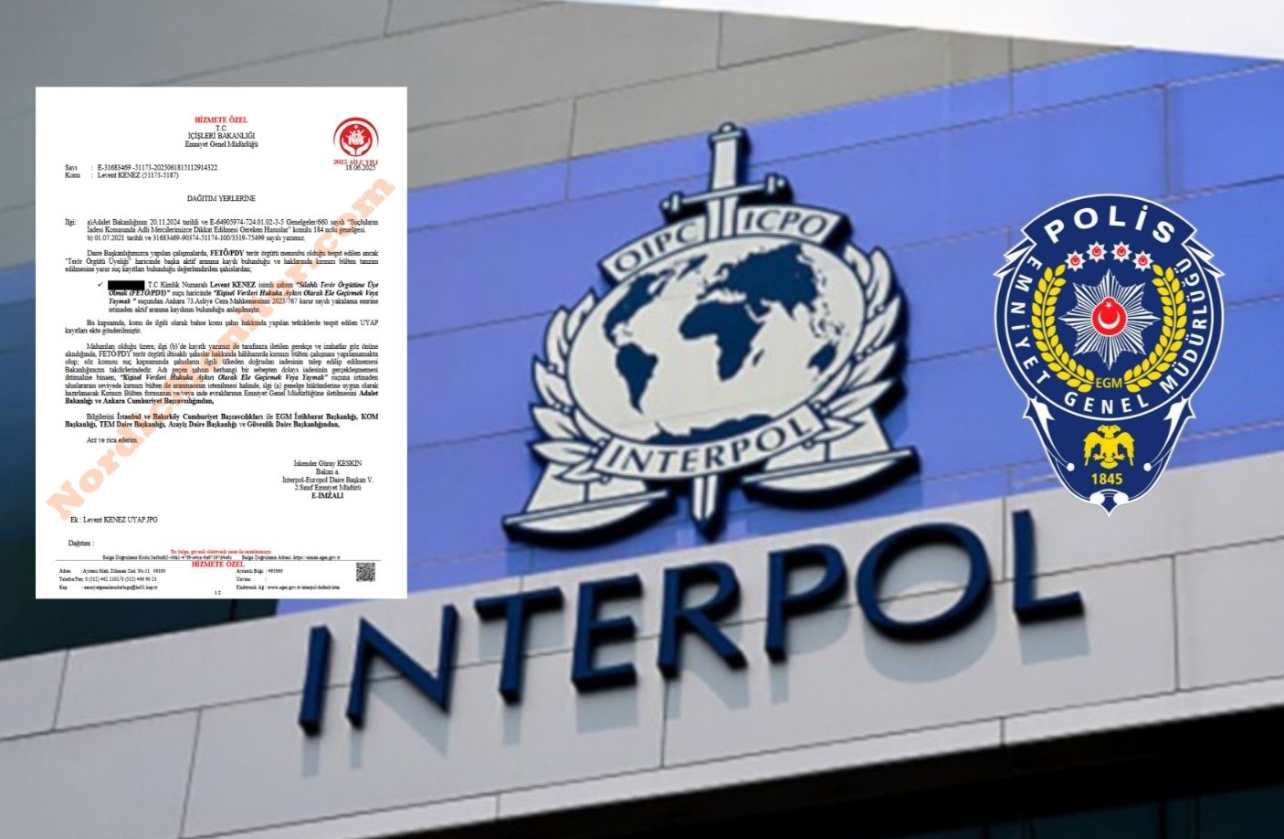
The document, dated June 18, 2025, was signed by İskender Güray Keskin, Deputy Head of the Interpol-Europol Department at Turkey’s General Directorate of Security. It was distributed to the Ministry of Justice, public prosecutors in Ankara, Istanbul and Izmir, and various police departments.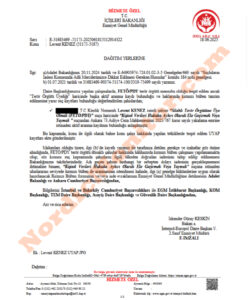
At the center of this plan is journalist Levent Kenez, former editor-in-chief of the now-closed Meydan Gazetesi and currently editor at the Stockholm-based Nordic Monitor and presenter at TR724.
According to the plan, the political investigations and terror allegations against Kenez would be removed from files submitted to INTERPOL. Instead, fabricated charges such as “unlawful acquisition of personal data” would be used—directly targeting his journalistic work. The goal is to circumvent INTERPOL’s restrictions.
The strategy goes beyond Kenez: the document suggests similar tactics could be applied to other individuals abroad allegedly linked to the Gülen movement, preparing fresh INTERPOL requests with alternative accusations for each. Additionally, Turkey intends to activate bilateral and regional extradition mechanisms to bring these critics back.
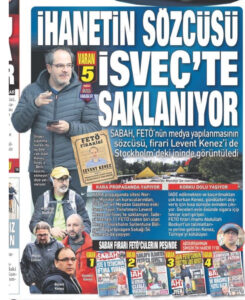
Sweden’s Supreme Court had already rejected Ankara’s extradition request for Kenez, ruling that the accusations did not constitute crimes under Swedish law and that Kenez’s activities fell squarely within journalistic freedom.
This revelation is viewed as yet another example of the Turkish government’s efforts to abuse international legal mechanisms in order to pressure and persecute dissenting journalists beyond its borders.