


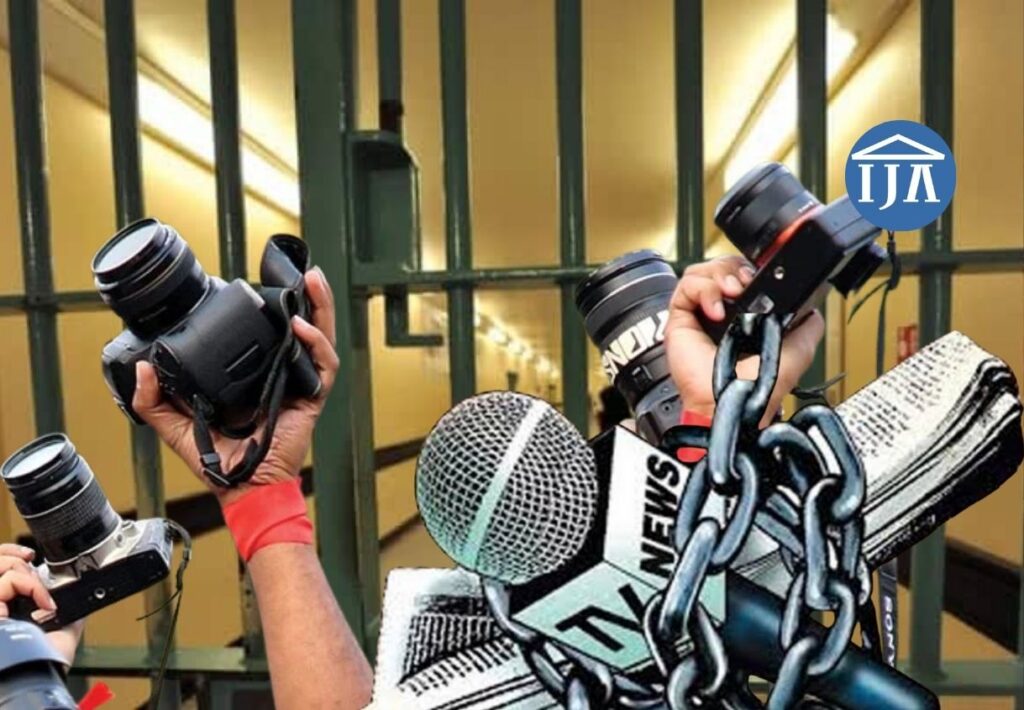
The Turkish government, led by the ruling AKP, has intensified its systematic censorship of social media, targeting critical voices after protests erupted online against the appointment of a Kayyum (trustee) to the CHP’s Istanbul provincial branch.
According to the Istanbul Police Department, 103 social media accounts were examined, 16 of them abroad. Legal action was taken against 39 individuals, and 14 were detained in police raids on their homes. Among them was Ebru Uzun, editor of the platform Sokak Kedisi. Detainees are accused of “inciting hatred and hostility” and “provoking to commit crimes.”
Nine suspects were referred to court; three were arrested – including journalist and political scientist Abdullah Esin, writer and journalist Nur Betül Aras, and Faruk Mangaltepe – while others were released under judicial supervision. Colleagues and supporters have launched social media campaigns demanding their release.
In a separate operation, Özkan Bozkurt, editor at Sarı Mikrofon, was also arrested.
Parallel investigation targeting Gülen movement
At the same time, Turkish prosecutors ordered the detention of 53 people in a separate probe into the Gülen movement. Forty of them were jailed on accusations ranging from donating to charities to the use of social media.
Systematic censorship and growing international concern
The AKP government continues to expand its control over online spaces as a tool of political repression. Key mechanisms include:
- Mandatory appointment of social media representatives to enforce removal requests.
- Widespread content takedowns and blocking of opposition accounts.
- Technical throttling of internet bandwidth during protests.
- “Anti-disinformation” laws used to suppress dissent.
- Pro-government accounts inciting harassment and criminalization of critics.
International human rights organizations have condemned these practices as part of Turkey’s accelerating digital authoritarianism, warning that they violate freedom of expression, rule of law, and democratic norms.