


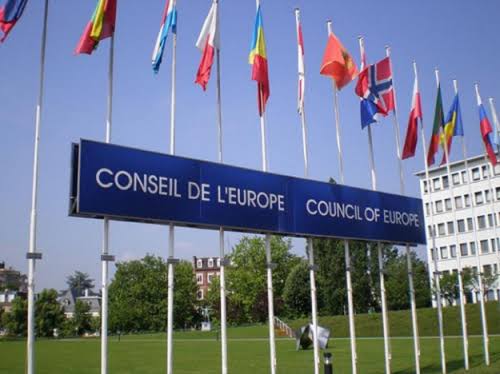
A coalition of civil society organisations has urged the member states of the Council of Europe to take urgent, collective action against the growing phenomenon of transnational repression (TNR) by adopting a legally binding Council of Europe Convention dedicated to preventing and combating this threat to human rights, democracy and the rule of law.
Transnational repression refers to efforts by states to silence dissent beyond their borders by targeting members of their diaspora or exile communities. Such practices include assassinations and violent attacks, abductions and forced renditions, abuse of extradition systems, misuse of mutual legal assistance frameworks and Interpol mechanisms, digital surveillance and harassment, and threats or reprisals against family members.
The Parliamentary Assembly of the Council of Europe (PACE) has noted that these tactics not only violate non-derogable fundamental rights but also undermine democratic institutions and the security of host states.
According to Freedom House, more than 1,000 documented cases of transnational repression have occurred since 2014, affecting individuals in 100 countries and involving at least 44 perpetrator states. Europe has become a key arena for TNR, with increasing numbers of journalists, human rights defenders, political dissidents and whistleblowers seeking safety on European soil.
Despite the scale of the problem, there is currently no binding European or international legal instrument specifically addressing TNR. Existing human rights frameworks, including the European Convention on Human Rights (ECHR), while theoretically applicable, do not provide tailored and comprehensive safeguards.
The organisations argue that the Council of Europe is uniquely placed to lead a coordinated response, given its long track record of adopting conventions designed to confront emerging threats, set standards, drive domestic reforms and strengthen intergovernmental cooperation.
A Convention on Transnational Repression would:
- Define TNR in international law, creating a common basis for policy across member states.
- Establish clear obligations for host states to protect individuals at risk, ensure access to remedies and prevent complicity.
- Set standards and institutional mechanisms for supporting and protecting victims.
- Regulate and prevent the misuse of extradition, Interpol notices and mutual legal assistance systems.
- Promote cooperation and information sharing, including through a dedicated monitoring and coordination body.
- Strengthen accountability for perpetrators and reinforce the resilience of European democracies against foreign interference.
While discussions within the Council of Europe’s Steering Committee for Human Rights are ongoing, they currently focus on non-binding tools. Civil society groups argue that only a binding convention can provide the necessary harmonisation, enforcement and institutional weight to address the complex, multinational nature of TNR.
The signatories call on Council of Europe member states to:
- Recognise transnational repression as a serious and systemic threat to human rights, democratic resilience and regional stability.
- Support the development and adoption of a Council of Europe Convention on Transnational Repression.
- Involve civil society and affected communities in the drafting process to ensure the convention reflects real-world experiences and victim needs.
The statement concludes that such a convention would reaffirm the Council of Europe’s role as a guardian of human rights and democracy and demonstrate its commitment to confronting contemporary authoritarian threats with the necessary tools and solidarity.