Sweden has rejected Turkey’s request to extradite exiled journalist Abdullah Bozkurt, ruling that the charges Ankara brought against him are not punishable under Swedish law and therefore cannot justify an extradition.
The decision carries particular weight, as President Recep Tayyip Erdoğan had made extradition demands a central condition for approving Sweden’s NATO membership in 2024. Turkey ultimately delayed Stockholm’s accession process for 17 months.
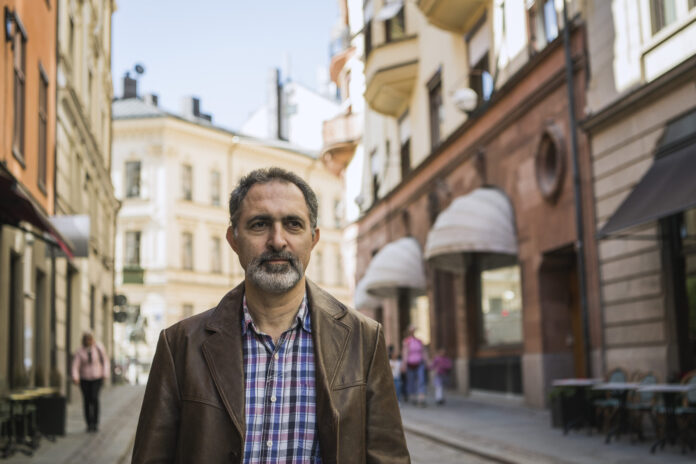
A spokesperson for the Swedish Ministry of Justice told AFP that on November 13 the government had denied two extradition requests from Turkey after the Supreme Court found “obstacles” in the cases of Abdullah Bozkurt, 54, and Muharrem Özad, 36. The Court said that the alleged offenses carry sentences of less than one year under Swedish law, which legally bars extradition.
Turkey accuses Bozkurt of leading an “armed terrorist organization,” spreading propaganda, breaching confidentiality and disclosing information related to national security. Özad is accused of membership in the Gülen movement based on a bank account, personal associations and residence in student housing linked to the group.
Intensifying Pressure on Exiled Journalists
Bozkurt, the former Ankara bureau chief of the now-defunct Today’s Zaman, has lived in Sweden since fleeing Turkey after the 2016 coup attempt. In 2019 he co-founded the investigative outlet Nordic Monitor with journalist Levent Kenez. The platform has published extensive documentation on President Erdoğan’s authoritarian policies and on the Turkish intelligence service MİT’s transnational repression, including surveillance and abductions of dissidents abroad.
These publications made Bozkurt and the platform major targets of Turkish state media and security institutions. During Sweden’s NATO negotiations, Ankara reportedly pushed for the shutdown of Nordic Monitor as part of its demands.
Bozkurt was physically attacked outside his Stockholm home in 2020. His protected address was later leaked to pro-government media, along with covert photos of his colleague Levent Kenez. Turkish outlets have also circulated fabricated allegations tying Bozkurt to the 2016 assassination of Russian Ambassador Andrei Karlov.
Senior Turkish officials have openly threatened Bozkurt, prompting strong condemnation from journalist organizations in Sweden and across Europe. The case has been flagged by the Council of Europe’s platform for the protection of journalism.