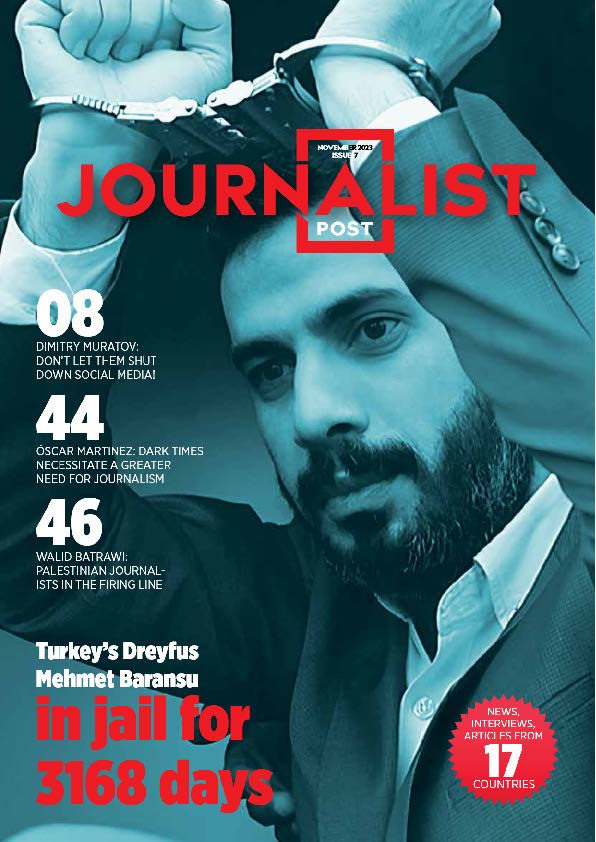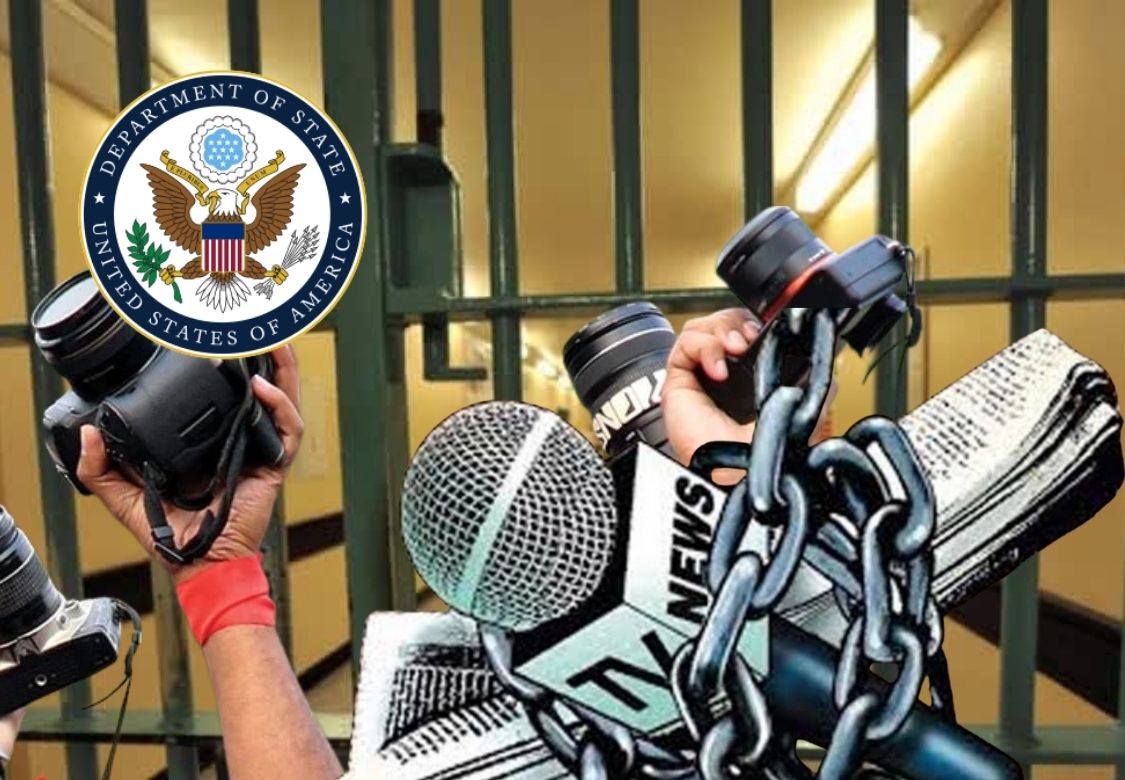
The U.S. State Department’s 2024 Human Rights Report reveals that press freedom in Turkey is under severe restriction. The report highlights that independent media outlets face censorship and access bans, journalists are imprisoned, and media critical of the government are systematically suppressed.
Systematic Restrictions and Censorship
The report lists numerous unlawful practices by the Erdoğan administration, including systematic restrictions on freedoms, a culture of impunity, pressure on journalists, and extensive digital censorship.
According to the 34-page report, journalists in Turkey face vague charges such as “insulting Erdoğan” or “spreading misleading information” and are subjected to physical attacks and detentions. The internet remains a primary target of government intervention: the AKP government has blocked more than 953,000 domains, 260,000 URLs, and over 67,100 X (Twitter) posts. Critical content can be removed within hours, and entire platforms blocked. VPN services, cloud platforms, and sites hosting critical content are frequently banned, while BTK-approved filters are mandatory in schools, internet cafés, and public institutions.
Widespread Internet Censorship and Surveillance
The report warns that broad security laws, politicized law enforcement, and widespread internet control leave journalists, activists, opposition figures, and particularly those linked—real or alleged—to the Gülen movement vulnerable to state repression both inside and outside Turkey.
Structural Advantage for the Government
While local elections in March formally offered voters “genuine political alternatives,” media bias, censorship, and restrictions on freedom of assembly provided the ruling party with significant structural advantages.
Arbitrary Detentions and Legal Abuse
Despite legal safeguards, arbitrary detentions remain common. In terrorism-related cases, pre-trial detention can last between 6 and 12 days, while trial detention can extend up to seven years. As of September 2024, 52,066 people were awaiting trial in detention—about 15% of the prison population.
Abuse Against Girls and Gülen-Related Cases
The report documents shocking cases, including threats of extreme violence against girls accused of links to the Gülen movement. Lawyers handling such cases also face harassment, investigations, and physical assaults. Broad anti-terror laws, allowing up to seven years of pre-trial detention, are often used as a punitive tool.
Repression Beyond Borders
Persecution extends beyond Turkey’s borders: abductions, pressure on foreign governments for extradition, and abuse of the INTERPOL system are reported. The case of four Turkish refugees extradited from Kenya at Ankara’s request is cited as an example.
Further Human Rights Violations
In addition to the crackdown on the Gülen movement, the report exposes violations against the Kurdish community, suppression of labor rights, and the deterioration of refugee protections. Kurdish-language media and journalists face the harshest pressure.
As a result, journalism, academia, and public discourse now exist in an atmosphere of fear and self-censorship.